In the rapidly changing digital space, today’s businesses are constantly finding ways of optimizing operations, customer engagements, and efficiency. One revolutionary way this has been done is through RAG integrated into Generative AI.
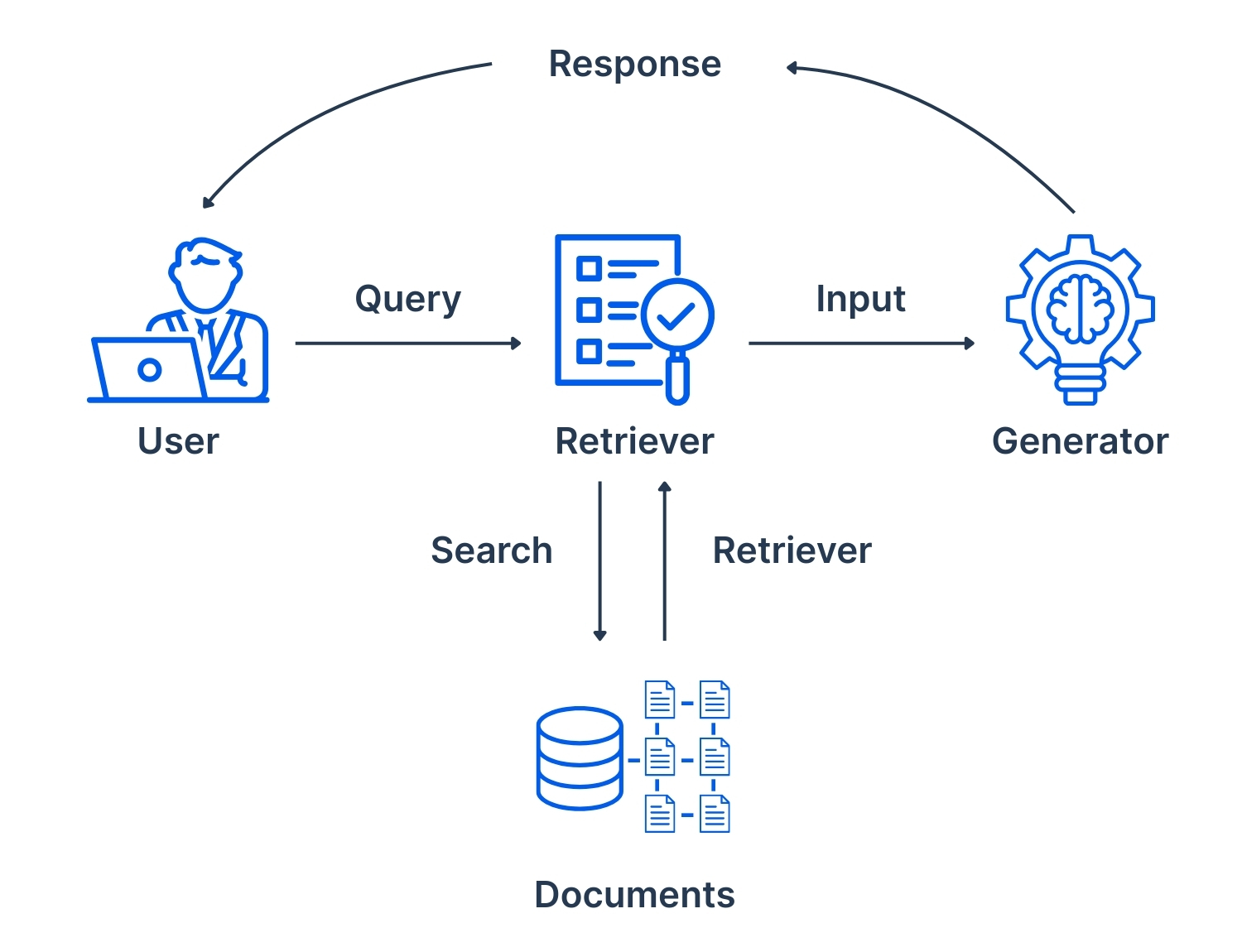
RAG stands for Retrieval-Augmented Generation, a novel combination of the two quintessential components: information retrieval and generation. To put it in simple terms, it is like an über-smart assistant that will not only fetch germane data from the entire knowledge but also embed that knowledge into responses that are as fluid as if written by a human. It could be considered like having a librarian who knows exactly where every book is and a raconteur to whom you can entrust the job of telling an engrossing tale.
Generative AI applies to algorithms that create content-be it text, images, or even music. Large amounts of data have been used in the training of these models, which are then capable of producing creative works that often feel like they somehow accurately reflect the world’s pulse. The magic of generative AI lies in matching up with human imagination-think about AI poems or pictures that evoke real emotions!
It is like combining the best of both worlds-together with RAG and generative AI. Businesses are thereby assuring a value-added level of service and engagement by first retrieving relevant data and then generating contextually rich and coherent responses. The combination improves efficiency but also plays an important role in personalizing interactions and making customer experiences far more meaningful.
The magic of RAG lies in the two fundamental processes that it goes through: a process of retrieving and generating. First, the system searches for information from a base that contains knowledge. Once the information is collected, the generative part of RAG creates responses to meet particular contexts and user demands.
Think of the experience of calling a customer service number, only instead of being stuck waiting for an operator, you get to speak with a smart robot that pulls information about your particular order you are talking about while you are talking. The RAG is capable of this because it has the ability to provide quick answers with the latest information.
However, in generative AI, the system can evaluate various interactions between customers to create customized messages. Take online clothing shops, for instance. They can provide customers with customized recommendations based on their past behavior.
Online shopping platforms such as Amazon and online music platforms like Spotify have begun using RAG. This helps them improve their recommendations by producing personalized messages that greatly improve user engagement and make them feel valued.
Marketing departments can leverage generative AI to generate enticing copies for ads, blog content, and social media updates. This results in faster turn-around time and even higher creativity.
RAG helps to fetch the data related to the business, like trending topics, and creates interesting and engaging content for the audience. This makes the content not only interesting and relevant, but also engaging for the audience.
Brands like HubSpot have effectively integrated these technologies to produce data-driven content strategies that lead to increased engagement and conversion rates.
RAG has the capability to fast track the process involved in extracting important points from large databases. This ensures that certain pieces of information are readily available within moments. This is imperative for effective decision-making.
After the data has been gathered, generative AI can produce detailed reporting with meaningful visuals. This will be of great help to the management team in keeping abreast of the situation without having to sift through mounds of data.
A number of consulting companies have incorporated RAG in their systems to combine information, hence generating reports that have altered the strategic orientations of various firms.
It requires know-how and considerable investment effort to integrate RAG and generative AI. Handling legacy and new technology can be quite a task for many organizations.
The workers would also probably need some time to adjust to the introduction of the system, particularly when it impacts traditional business practices. This can be facilitated with training support.
With the advancement in technology, we are soon expected to witness a better incorporation of RAG and GA. Maybe even uncharted areas in the industry will witness the application.
Those who embrace the technologies listed above can expect a paradigm shift in the manner in which they conduct their business to provide more personalized services.
To navigate this changing landscape, teams will have to build skills in the areas of data analysis and AI tools, and learn how to integrate those technologies effectively into their business practices.
The integration of Retrieval-Augmented Generation and Generative AI provides an enterprise with the ability to receive valuable opportunities for business strategy enhancement and solutioning. Embracing this technology facilitates a company in improving customer engagement, smoothing operational workflows, and making better-informed decisions.